
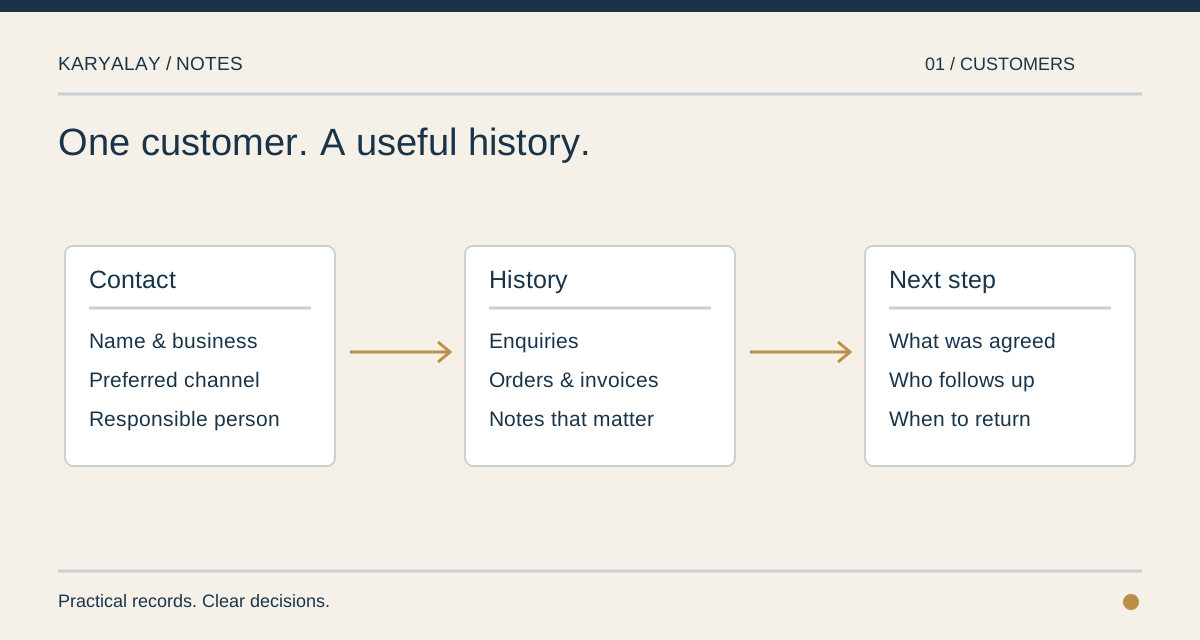
A name and a phone number are enough to make a contact. They are rarely enough to continue a conversation. When a customer calls after someone else has handled the first enquiry, the useful questions are: what did they ask for, what did we say, and who owes the next answer?
Start with the business identity and the people you actually speak to. Keep the address used for a delivery apart from the one used for a bill when they differ. Record the preferred way to get a reply. These details should be easy to correct; a record that people are afraid to amend soon becomes a second, unreliable address book.
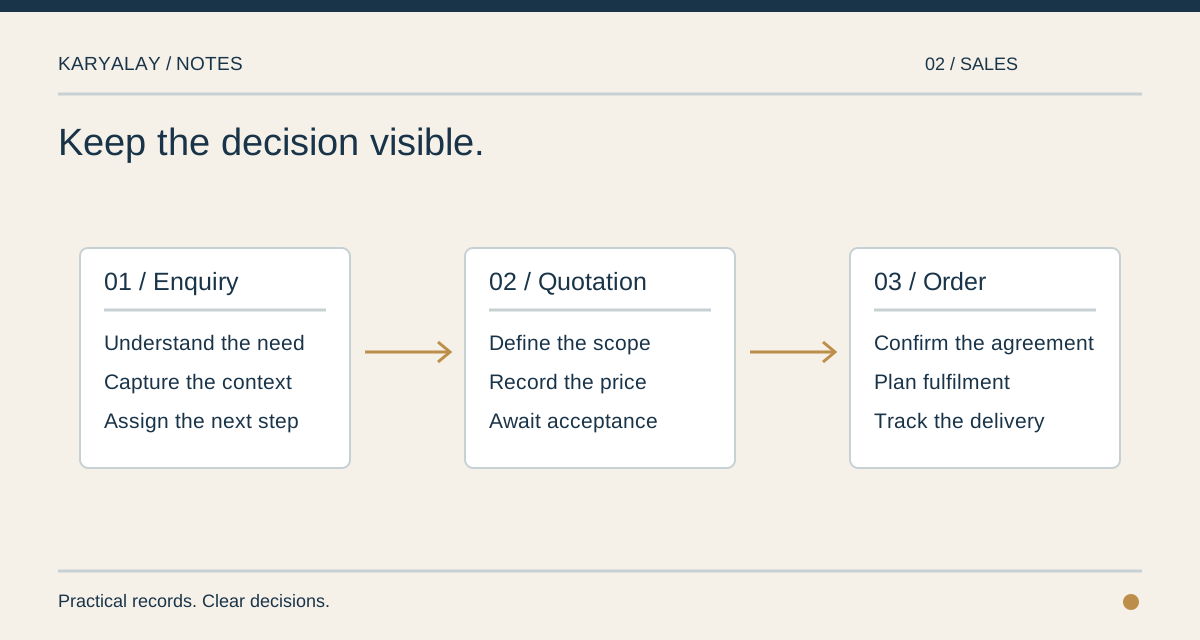
Then keep the work beside the person. An enquiry needs its source, a short account of the request, an owner, and a next step. A quotation needs a date and a clear link back to that request. Calls, messages, orders and payments answer different questions, but they become far easier to understand when each can be reached from the same customer record.
The most valuable line is often the next one: “Send the revised size on Thursday,” or “Call after the owner returns.” Without an owner and a date, a note is history rather than a plan. With both, somebody covering the desk can act without asking the customer to tell the story again.
Avoid collecting details merely because a form has a box for them. Ask whether a field helps someone serve the customer, meet a real obligation, or settle a disagreement. If it does none of those things, leaving it blank is usually more honest than guessing.