
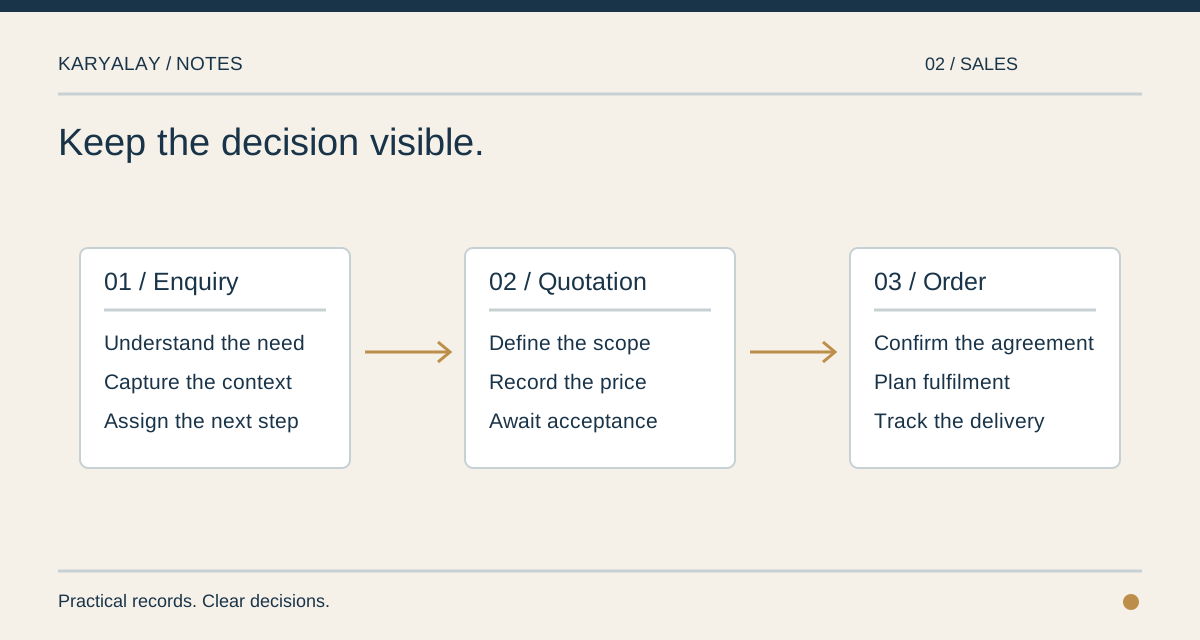
“Can you supply this?” is a question. “This is the price and these are the terms” is an answer. “Please send it” is an instruction. Treating all three as one row makes it difficult to know which version of a conversation the business acted on.
An enquiry can be incomplete. The quantity may be approximate, the delivery place undecided, and the person asking may need approval. It still deserves a record, because it is where the work began. A quotation should make the proposed item, quantity, price and any conditions readable together. If the proposal changes, keep the earlier version distinguishable from the one the customer accepted.
An order begins when there is an agreed request to fulfil. That is the point at which someone needs to know what to reserve, make or send, and by when. A customer asking for a second quote should not silently change the first order; a changed order should be visible as a change.
These boundaries also help when something goes wrong. If an item arrives in a different size, you can compare the enquiry, the accepted quotation and the order without relying on a memory of the call. If the customer has not accepted the quote, the team can follow up without treating it as work already won.
The practical test is simple: could a colleague who was away yesterday tell which request is open, which price was offered, and what has actually been promised? If not, give those moments separate names before adding more fields.