
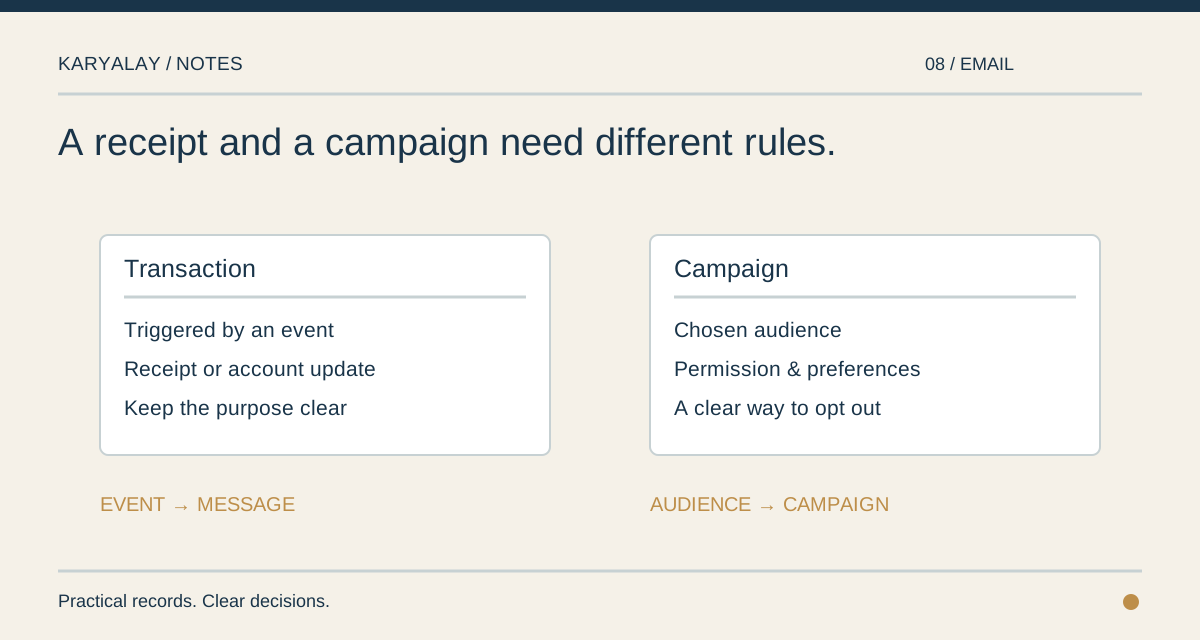
A receipt follows something a person just did. A campaign starts with a list of people the business intends to write to. Both arrive by email, but they answer different questions before anyone presses send.
For an order confirmation, the important facts are which event triggered it, which address it was sent to, and whether delivery was attempted. Someone handling a customer query needs to connect that message to the order, not search through a campaign calendar. If the sending system pauses, the order should still exist and the failed message should be visible for follow-up.
For a campaign, begin with the audience and the reason each address belongs on it. Keep the list current, make it clear who prepared the message, and review the content before a broad send. A campaign can reach people who were not waiting for an answer that morning, so a mistaken list matters in a different way from a missed receipt.
The price units can differ too. App-triggered sending may be purchased as a block of sends, while campaign sending may be priced against the size of a list and a recurring period. Reading only a price per message can hide that difference.
Separate the two jobs in the records as well as the budget. Then a question such as “Did my receipt go?” has a short answer, and a question such as “Who received this letter?” has a different, equally clear one.