
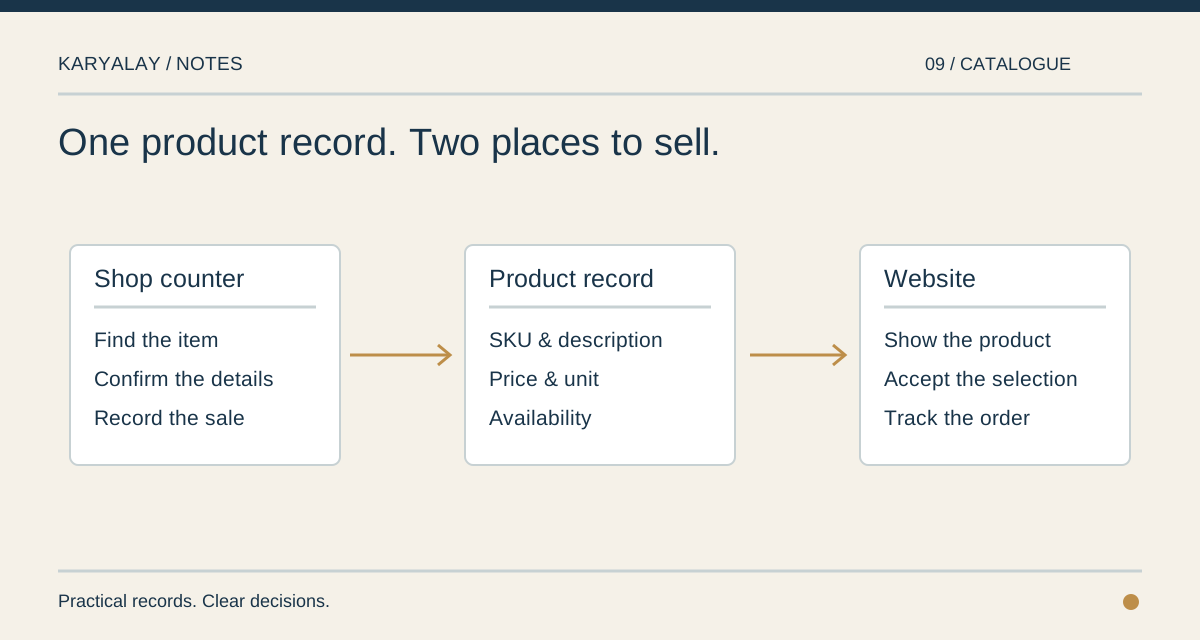
A product named one way on a website and another way at the counter is difficult to find when a customer calls. If its unit or price is copied into several places, a correction has to be remembered several times. The problem is not the number of screens; it is the number of competing item records.
Give each item one clear identity. Record the unit it is sold in, the variations a buyer must choose, and the description staff use to recognise it. Keep pictures and public descriptions suited to the website, but connect them to the item the office quotes and supplies. A good catalogue serves both the person browsing and the person filling the order.
Decide which details the website may show. A public page may need a name, image, description and current availability, while an internal record may hold supplier notes or costs that should never appear there. A controlled connection should make the direction of each field clear rather than copying the whole office record onto the site.
When an online request arrives, the team should be able to identify the items without translating a second product list. A quotation or order can then begin from the same catalogue entry the customer saw. If the public description needs correction, the change can be made once and checked where it appears.
The test is practical: ask someone to find the same item from a counter request and a website request. They should arrive at one item, not two records that happen to share a photograph.