
A spreadsheet often survives because it answers a real question quickly. Before replacing it, ask what decision it helps someone make. Is it the list of leads to call, the stock to reorder, or the days a payroll reviewer must check? Moving rows without understanding that job merely gives the same confusion a new screen.
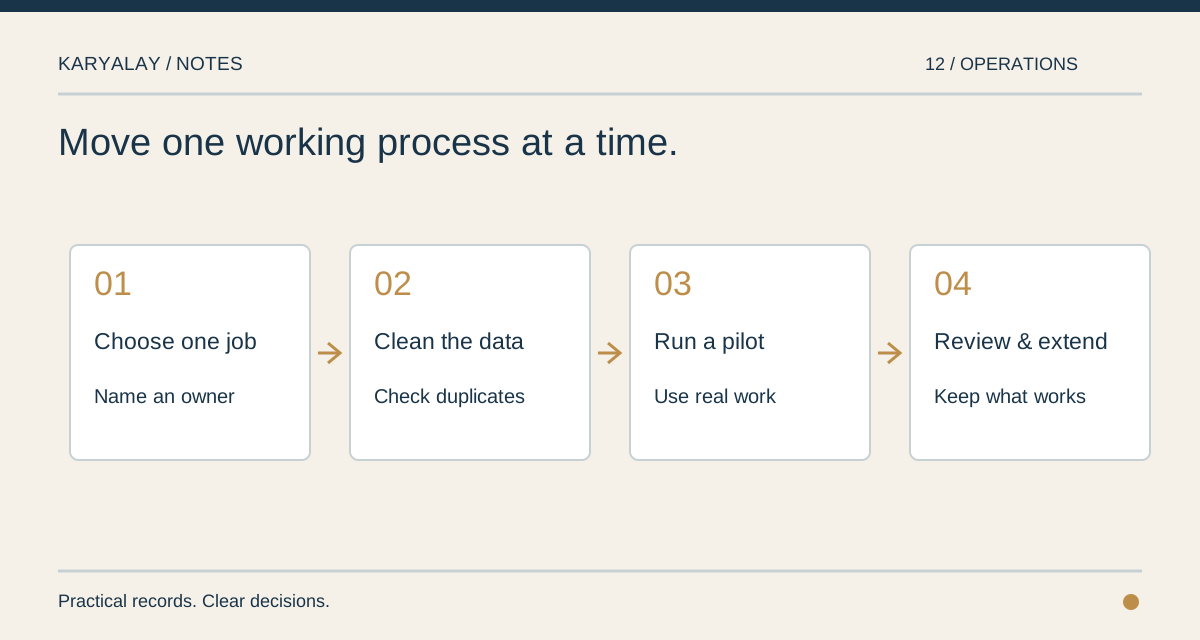
Choose one repeatable job first. Write down where its rows come from, who corrects them, and what the finished result is. Look for names that mean the same thing but are spelled differently, dates stored as notes, and totals entered by hand beside the rows they total. Those are rules to settle before an import.
Bring a small sample across and compare the answer, not just the row count. Can the person doing the job find a customer, explain a stock movement, or review an attendance exception? If a field cannot be mapped without guessing, keep it visible as an open question rather than filling it with a convenient value.
Set a day after which the new record is the one the team updates. Two editable sources are difficult to reconcile even when both started equal. Keep the old sheet as a reference for a while, with a clear owner for corrections, rather than asking everyone to remember which copy is current.
Then choose the next job. A measured move teaches the team what a useful record looks like and gives them a reason to trust it before the whole office depends on it.