
Payroll may be calculated at the end of the month, but the facts it depends on happen every day. A missing shift, an approved leave request, and an extra day worked are much easier to confirm while the people involved remember them.
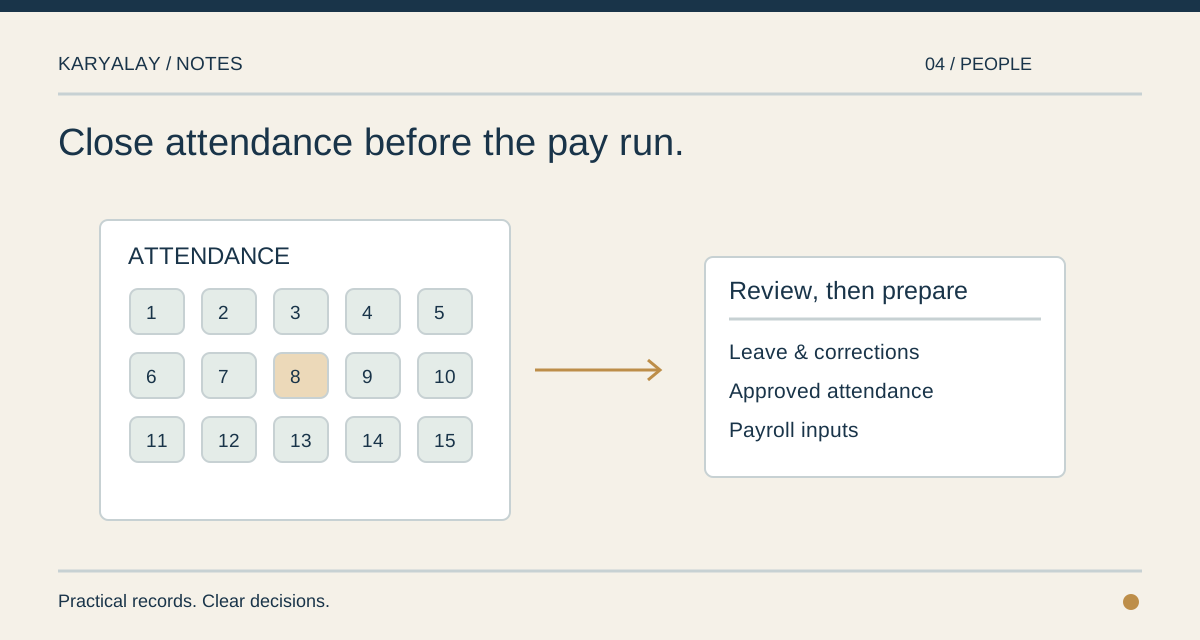
Keep the attendance register as a record of what happened, not as a place to make the salary figure look right. If a clock entry is missing, record the correction and who approved it. If a shift changes, make the change visible before the month closes. The point is that a reviewer can follow the path from a day on the register to the amount on a payslip.
Leave and reimbursement have their own decisions. A request made is not the same as a request approved, and approval is not the same as payment. Keeping those states separate prevents the payroll desk from having to interpret an old message as permission.
Before a salary run, ask managers to check the exceptions rather than recount every ordinary day. Which entries are missing? Which days were corrected? Which approved requests affect this period? The answer should be a short review of known exceptions, not a reconstruction from chats and paper slips.
After the run, employees should be able to see the result and ask about a particular line. A clear register makes that question answerable. It also makes a correction less personal: people can discuss the recorded day and the decision attached to it instead of arguing about whose memory is better.