
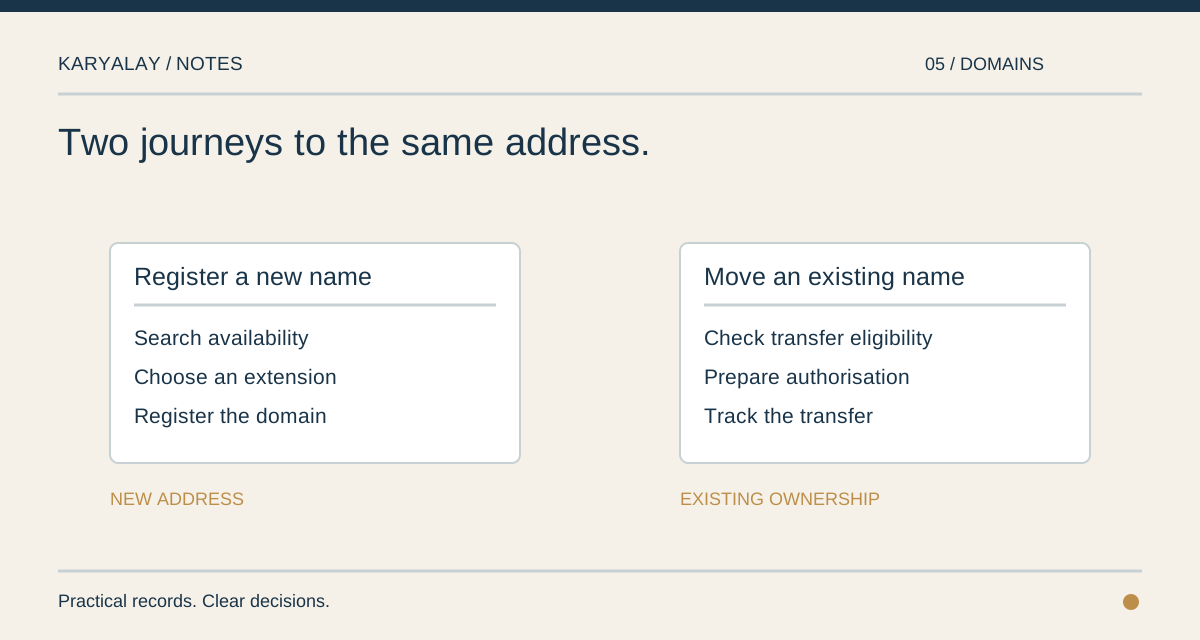
A domain search asks whether a name is available to register. A transfer starts with the opposite fact: the name already exists, and you control it. Mixing the two paths can turn a simple request into a confusing conversation about buying a name that is already yours.
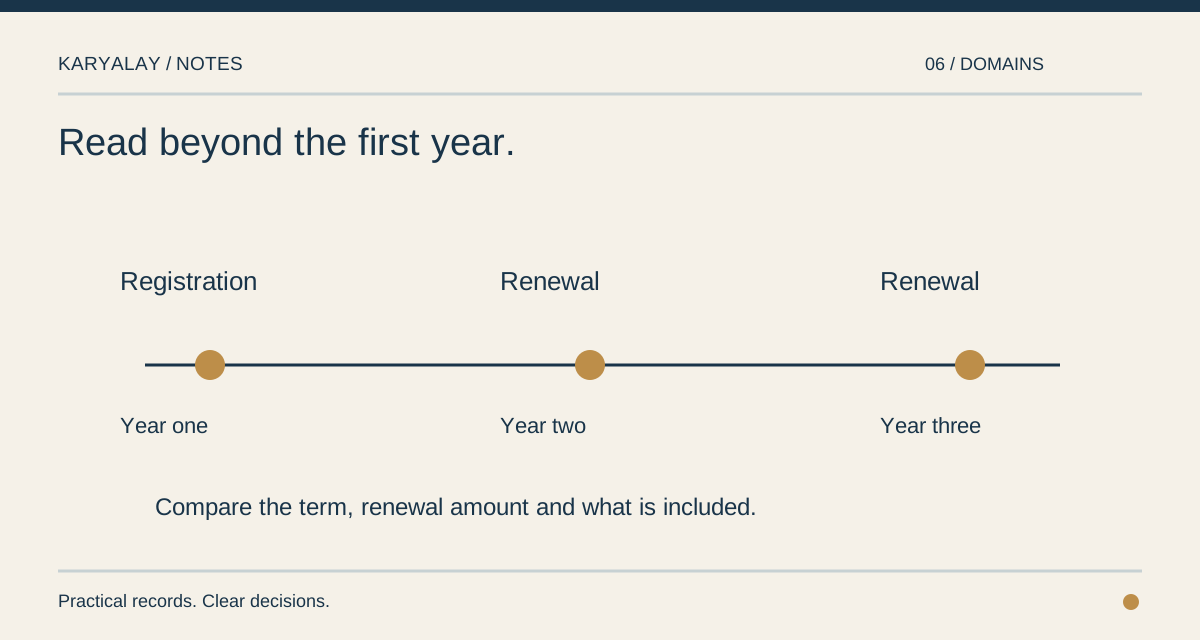
For a new name, decide the spelling carefully and look at the available endings. Read both the first-year price and the renewal price before choosing. A registration is a continuing responsibility; the first payment is only the beginning of it.
For a transfer, first identify who currently manages the name and who can access that account. The current registrar may need the name unlocked and may provide a transfer code. The exact steps depend on the name and its present state, so gather the facts before promising a date. Moving the registration also calls for care around the website and mail that use the name.
Changing where a domain is registered is separate from changing what it points to. A business can move its website without moving the registration, or move the registration while leaving the website and email settings in place. Write down which change you actually want before anyone edits a setting.
If you are unsure which account holds the name, start with the current bill or renewal notice. The important first question is ownership and access, not a new checkout.